
 vanessa
Quebec City unfolds across distinct geographic and cultural layers, each neighborhood offering its own doorway into the living heritage of the Wendat, Innu, Atikamekw, and other First Nations whose presence has shaped this region for millennia. Understanding where to find authentic indigenous experiences across the city’s quarters transforms a simple walking tour into a journey through centuries of resilient culture, seasonal traditions, and ongoing community stewardship.
The city divides naturally into areas that range from the fortified heights of Upper Town to the riverside stretches of Lower Town, each district holding different threads of indigenous connection. While colonial architecture dominates the visual landscape, indigenous cultural sites, museums presenting First Nations perspectives, and community-led experiences are woven throughout specific neighborhoods that reward intentional exploration. Knowing which areas house the Huron-Wendat Nation’s cultural institutions, where to encounter authentic winter traditions rooted in indigenous knowledge, and which quarters offer galleries featuring contemporary indigenous artists makes the difference between surface-level sightseeing and meaningful cultural engagement.
This geographic framework serves visitors and residents alike who seek to honor the original peoples of this territory through respectful tourism and genuine learning. The neighborhoods themselves tell a layered story: some preserve traditional meeting grounds and sacred sites, others host modern indigenous cultural centers that invite dialogue and education, while still others function as living communities where First Nations people continue daily traditions passed down through generations.
Approaching Quebec City’s areas through an indigenous lens reveals a parallel map, one that existed long before European settlement and persists today in museums, cultural centers, seasonal ceremonies, and the voices of indigenous guides who share their nations’ stories. This guide maps those cultural touchpoints across the city’s geography, offering practical direction for travelers committed to centering indigenous perspectives in their Quebec City experience.
Old Quebec: Where Ancient Stories Meet Cobblestone Streets
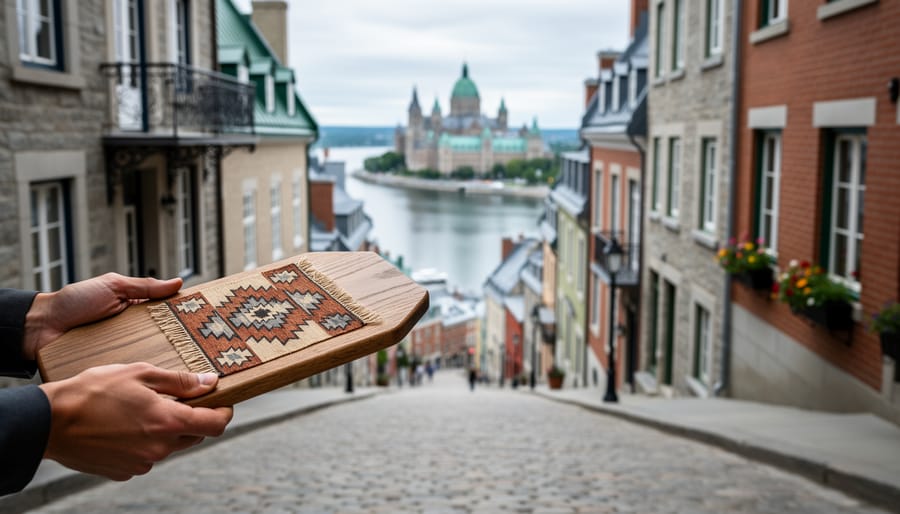
The fortified walls and narrow lanes of Old Quebec rise from land that has witnessed millennia of human presence. Long before French explorers arrived in 1608, the St. Lawrence River valley served as a vital corridor for indigenous peoples, including the Huron-Wendat, Algonquin, and Innu nations who traveled these waterways for trade, seasonal harvests, and cultural exchange. The promontory where the Château Frontenac now stands offered strategic views that First Nations communities recognized and utilized centuries before colonial fortifications appeared.
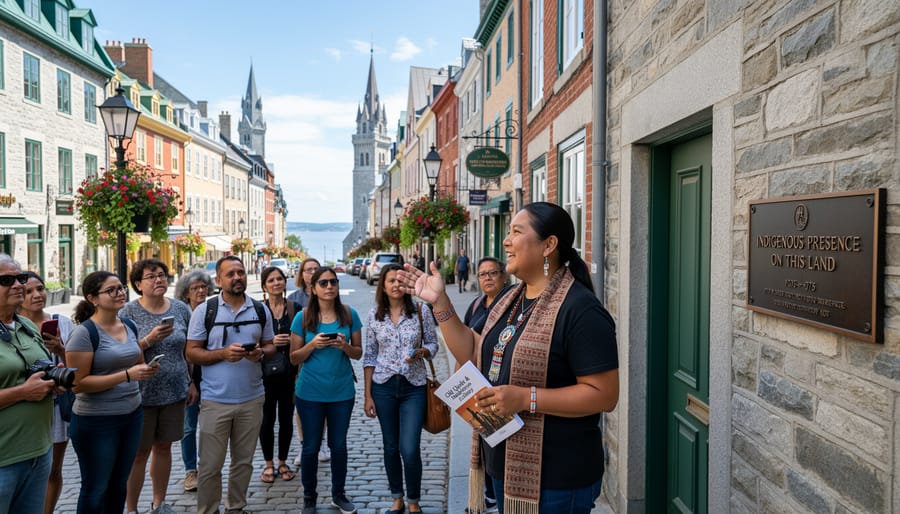
Today, this UNESCO World Heritage site contains layers of history that extend far deeper than its French colonial architecture suggests. Several indigenous-led walking tours now reveal the First Nations stories embedded in Old Quebec’s geography. These guided experiences, often led by Huron-Wendat or Innu cultural interpreters, trace the original indigenous trails that became European streets, explain the significance of the St. Lawrence as a trade highway predating European contact, and identify sites where First Nations delegations met with colonial authorities throughout Quebec’s history.
The Musée de la civilisation, located at the base of the cliffs in the Lower Town, houses significant collections documenting indigenous presence in the Quebec City region. Its permanent exhibitions include artifacts from archaeological sites revealing thousands of years of habitation, while rotating displays often feature contemporary indigenous artists and cultural perspectives that challenge conventional historical narratives centered solely on European settlement.
Walking through Place Royale, where Samuel de Champlain established his first settlement, indigenous guides explain how this river crossing already served as a meeting point where different nations gathered seasonally. The area’s connection to traditional foods persists in modern Quebec culture, the Quebec City maple syrup found in Old Quarter shops reflects indigenous sugar-making traditions that Europeans adopted and adapted.
These cobblestone streets tell multiple stories simultaneously. Seeking out the indigenous narratives woven through Vieux-Québec transforms a walk through preserved colonial architecture into an encounter with the deeper, older human geography that shaped this place long before its current form emerged.
Wendake: The Living Heart of Huron-Wendat Culture
Cultural Experiences Led by Community Members
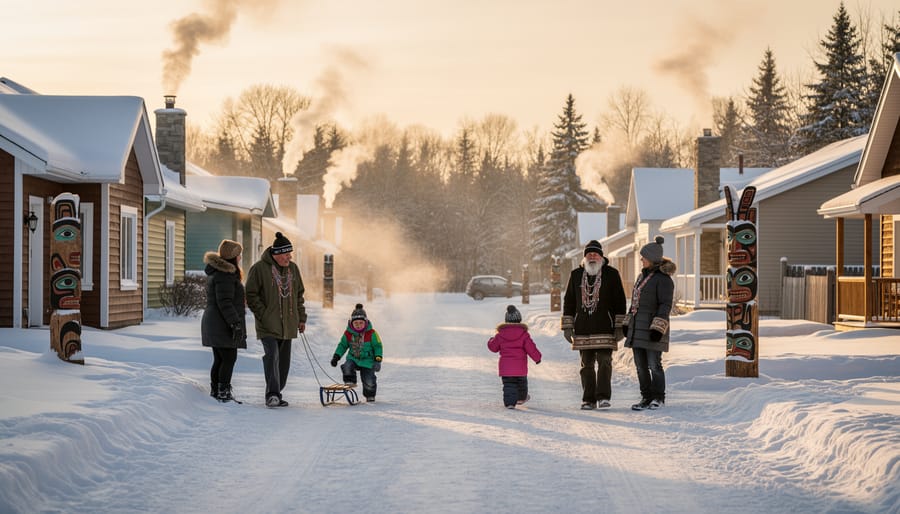
The Wendake community today offers visitors direct access to Huron-Wendat guides who share their ancestors’ knowledge through hands-on experiences. Traditional bread-making workshops let you shape dough in the bannock style passed down through generations, while storytelling circles around crackling fires reveal creation narratives that have shaped Wendat identity for centuries. These aren’t performances, they’re intimate exchanges where community members share lived traditions.
Winter transforms Wendake into a landscape where you can try snowshoeing techniques the Wendat perfected long before European contact, essential skills for traversing deep snow that once meant survival. Guides demonstrate how birchbark was harvested and shaped into containers, canoes, and shelters, explaining the seasonal rhythms that governed this sustainable practice. You might watch artisans weave black ash into intricate baskets or learn why certain plants hold sacred significance in Wendat medicine.
Spring brings maple syrup workshops where families demonstrate tapping methods their ancestors developed, producing some of the best maple syrups you’ll taste while explaining the spiritual relationship between the Wendat and sugar maples. Summer pow wows welcome visitors to witness, respectfully, from designated spaces, singing, drumming, and regalia that connects present to past. These experiences cost between $25-$75 per person, with fees supporting the community directly rather than external tour operators.
Museums and Cultural Centers
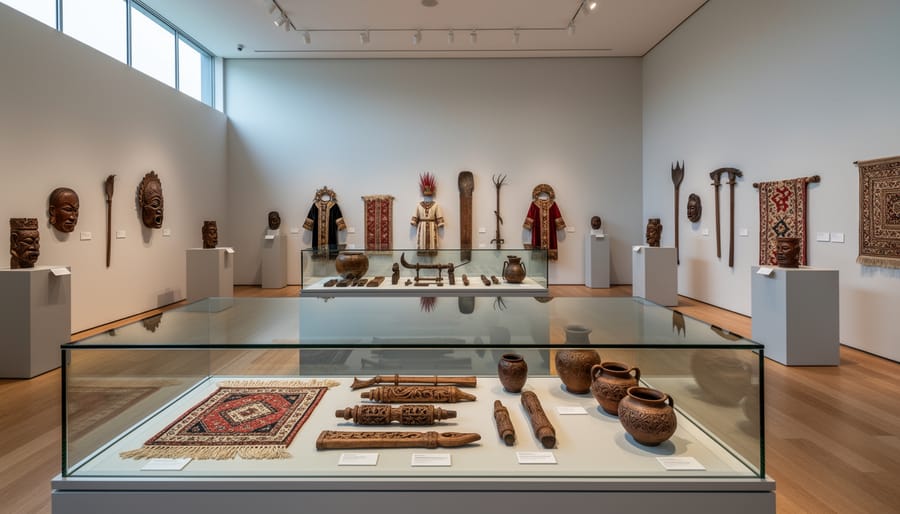
The Huron-Wendat Museum (Hôtel-Musée Premières Nations) stands as the cultural cornerstone of Wendake, offering the most comprehensive indigenous-led museum experience in the Quebec City region. Built and operated by the Huron-Wendat Nation itself, this institution presents 400 years of living history through artifacts, oral traditions, and interactive exhibits curated by community members. The museum’s permanent collection includes rare wampum belts, traditional clothing crafted with porcupine quills and moose hair, and ceremonial objects that reveal the sophistication of Wendat governance and spirituality. Rotating exhibits highlight contemporary indigenous artists and address modern issues facing First Nations communities, ensuring the narrative extends beyond historical artifacts into present-day realities.
The adjacent Onhoüa Chetek8e traditional site brings museum learning to life through outdoor cultural demonstrations. During spring visits, elders share maple sugaring tips rooted in centuries-old Wendat practices, while summer programming includes birchbark canoe building, traditional food preparation, and storytelling circles led by knowledge keepers. The museum also maintains robust virtual programming, essential for those planning visits or seeking deeper understanding, with recorded interviews from elders, 3D artifact tours, and educational modules developed in partnership with Wendat youth. These digital resources respect protocols around sacred knowledge while making appropriate teachings accessible to wider audiences, demonstrating how cultural institutions can honor tradition while embracing contemporary engagement methods.
Saint-Roch: Urban Indigenous Art and Contemporary Culture
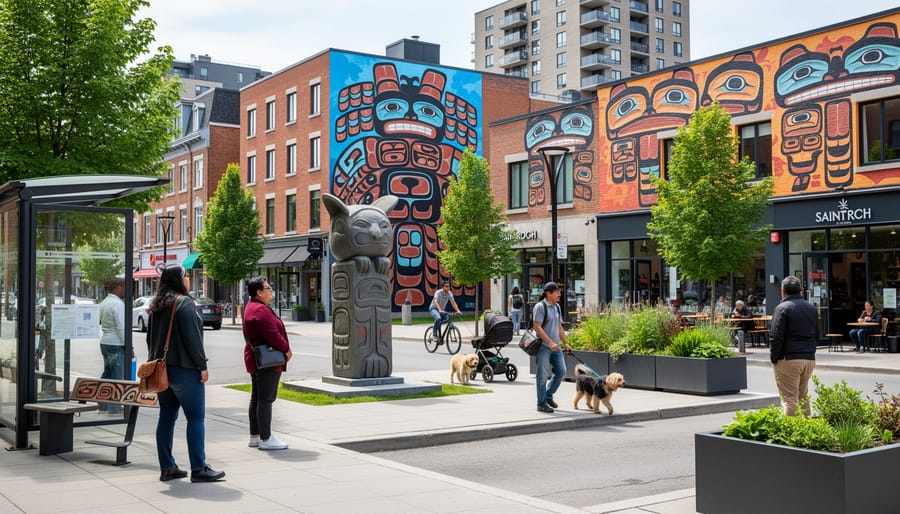
Saint-Roch pulses with a different energy than Old Quebec’s tourist corridors. This formerly industrial neighborhood, transformed over the past two decades into an arts district, has become a canvas for contemporary indigenous artists who blend traditional knowledge with urban creativity. Walk down Saint-Joseph Street and you’ll encounter murals that reimagine creation stories through street art techniques, galleries featuring Innu and Anishinaabe painters working in mixed media, and craft studios where young artisans experiment with ancestral patterns in modern materials.
The neighborhood’s cultural centers host regular events that showcase living First Nations culture rather than museum artifacts. Poetry slams feature spoken-word artists from various indigenous communities addressing identity and resilience in both French and indigenous languages. Contemporary dance performances reinterpret traditional movements through modern choreography. Film screenings present indigenous-directed documentaries and narratives that challenge stereotypes and center First Nations perspectives on current issues.
Urban spaces give us freedom to express our identities on our own terms, connecting ancestral knowledge to the realities we navigate today.
This creative freedom manifests in unexpected ways throughout Saint-Roch. A café might display jewelry by a Wolastoqiyik designer alongside pottery that fuses pre-contact techniques with contemporary minimalism. A bookshop dedicates entire sections to indigenous authors from across the Americas, many of whom visit for readings and discussions. Pop-up markets bring together artisans selling everything from traditionally smoked fish to graphic novels that retell origin stories through Indigenous Futurism aesthetics.
The neighborhood’s community centers organize workshops where indigenous artists teach beadwork, basket weaving, and other traditional crafts while discussing how these practices connect to broader cultural continuity. These aren’t performances for tourists but genuine community exchanges where non-indigenous residents learn alongside indigenous youth exploring their own heritage.
Montcalm and Parliament Hill: Institutions Preserving Indigenous Heritage
The elegant Montcalm district and Parliament Hill neighborhood hold some of Quebec City’s most significant institutional resources for understanding indigenous histories and contemporary First Nations realities. These aren’t tourist attractions, they’re working centers of preservation, research, and education that house irreplaceable collections and offer programming designed by and with indigenous communities.
The Musée de la Civilisation maintains extensive First Peoples collections, including archaeological artifacts, traditional clothing, ceremonial objects, and contemporary art that spans thousands of years of presence in this territory. Their permanent and rotating exhibits prioritize indigenous voices, with content developed through partnerships with Wendake and other First Nations communities. The museum’s education programs bring elders and knowledge keepers into dialogue with students, researchers, and visitors seeking deeper understanding beyond surface-level cultural tourism.
The Bibliothèque Gabrielle-Roy offers specialized indigenous studies resources, including oral history recordings, genealogical documents, and community-published materials that standard collections often overlook. Their staff can connect researchers with Nation-specific resources and guide visitors toward indigenous authors, filmmakers, and scholars whose work provides authentic perspectives on both historical experiences and current realities.
The nearby Archives Nationales du Québec preserves documents crucial to understanding treaty histories, land relationships, and the complex interactions between First Nations and colonial institutions. Researchers working on land claims, family histories, or cultural revitalization projects regularly access these holdings. The archives also maintain collections of indigenous-language materials and photographs that document community life across generations.
Parliament Hill itself stands on territory with deep indigenous significance, and several government offices now house liaison positions working directly with First Nations on policy, cultural preservation, and contemporary issues. When you buy local syrup or other traditional products in this district, you’re often supporting indigenous producers whose families have maintained these practices for centuries. These institutions collectively create infrastructure for preserving heritage while supporting living cultures adapting to modern realities.
Limoilou and Beyond: Community Connections and Winter Traditions
Beyond the well-known tourist districts, Quebec City’s residential neighborhoods reveal indigenous cultural connections through seasonal celebrations and community gatherings. Limoilou, a working-class area north of Old Quebec, hosts winter festivals that incorporate traditional First Nations activities like snowshoeing and ice games, practices indigenous peoples perfected over millennia in this harsh climate. Local community centers occasionally partner with Wendake cultural ambassadors to offer workshops on traditional winter survival skills, from identifying medicinal plants beneath snow to understanding how indigenous peoples created effective winter shelters.
The annual Quebec Winter Carnival, which draws participants from across the city’s neighborhoods, includes indigenous cultural demonstrations that showcase how First Nations communities adapted to and thrived in extreme cold. These aren’t museum exhibits but living practices shared by community members who maintain these traditions in contemporary life. Traditional toboggan designs, winter hunting techniques, and the cultural significance of ice fishing connect modern winter recreation to its indigenous origins.
Across Sainte-Foy, Sillery, and other suburban areas, schools and libraries increasingly partner with indigenous educators for programming that goes beyond simplified history lessons. These collaborations bring First Nations storytellers, artists, and knowledge keepers into community spaces where residents might not otherwise engage with indigenous culture. The approach emphasizes relationship-building rather than one-time performances, creating sustained connections between neighborhoods and indigenous communities.
What makes these scattered efforts meaningful is their grassroots nature. Unlike formal cultural institutions, these neighborhood-level partnerships create space for genuine cultural exchange between Quebec City residents and First Nations communities, particularly during winter months when traditional indigenous knowledge becomes immediately relevant to daily life.
Planning Your Indigenous Cultural Journey Through Quebec City
Start at Wendake, the cultural center where you’ll find the highest concentration of indigenous-led experiences within a single neighborhood. Book guided tours directly through Huron-Wendat Nation operators rather than third-party tour companies, ensuring your fees support the community presenting their own heritage. The Huron-Wendat Museum offers an ideal foundation before exploring wider Quebec City, providing context that enriches visits to indigenous-related sites throughout other neighborhoods.
Connect your journey thoughtfully across districts. From Wendake, venture into Old Quebec for indigenous-perspective walking tours that reframe colonial monuments through First Nations eyes, then continue to Saint-Roch to see contemporary indigenous art transforming urban spaces. Winter visitors should seek out traditional snowshoe demonstrations and tobogganing experiences rooted in First Nations innovations, learning where winter sports familiar to modern recreation originated from indigenous necessity and ingenuity.
Support authentic experiences by following these principles:
- Purchase directly from indigenous artisans and cultural centers rather than souvenir shops selling mass-produced imitations
- Ask permission before photographing people, ceremonies, or sacred spaces, and respect any areas marked as private or restricted
- Listen more than you speak during cultural presentations, saving questions for designated times
- Research the specific nations present in Quebec, primarily Huron-Wendat, but also Abenaki, Innu, and others, rather than treating all indigenous cultures as interchangeable
- Avoid treating living culture as historical artifact; indigenous communities are contemporary and evolving, not frozen in time
Plan multiple days rather than rushing. Each neighborhood offers distinct perspectives: Wendake provides immersive traditional experiences, Montcalm’s institutions deliver scholarly depth, and Saint-Roch showcases modern indigenous creativity. The seasonal calendar matters too. Summer brings powwows and outdoor festivals, while winter highlights traditional practices. Check specific community calendars before your visit, as many cultural events happen on indigenous schedules rather than daily tourist timelines. Consider where to try authentic indigenous maple products during spring sugaring season, connecting food traditions to your cultural exploration throughout the city’s diverse areas.
Quebec City’s neighborhoods pulse with indigenous life that extends far beyond museum walls and heritage sites. From the community-led experiences in Wendake to the contemporary indigenous art transforming Saint-Roch’s galleries, First Nations culture shapes the city’s identity in profound and evolving ways. This isn’t history confined to the past, it’s the ongoing story of communities who have stewarded this land for millennia and continue to share their knowledge, traditions, and perspectives with those willing to listen.
Your exploration of these neighborhoods carries responsibility. Choose indigenous-led tours and cultural experiences that directly support First Nations communities. Spend time at the Huron-Wendat Museum not as a passive observer but as an active learner. When you encounter indigenous art in galleries or public spaces, take a moment to understand the artist’s perspective and the cultural context they’re expressing. Attend cultural events and winter celebrations that honor traditional practices, recognizing that these aren’t performances staged for tourists but living traditions shared with generosity.
The richness of Quebec City’s indigenous heritage rewards those who approach it with respect and genuine curiosity. As you move through Old Quebec’s cobblestone streets, participate in traditional activities in Wendake, or discover contemporary indigenous voices in urban neighborhoods, you’re engaging with communities who have shaped this landscape since time immemorial. Their stories, artistry, and cultural resilience deserve not just your attention but your meaningful support and advocacy.