
 vanessa
The National Museum of the American Indian (NMAI) in Washington, D.C. stands as the first national museum dedicated to preserving, studying, and exhibiting the life, languages, history, and arts of Native peoples of the Western Hemisphere. Opened in 2004 on the National Mall, this Smithsonian institution breaks from traditional museum models by centering indigenous voices in every exhibition, allowing Native communities to tell their own stories rather than being interpreted through an external lens.
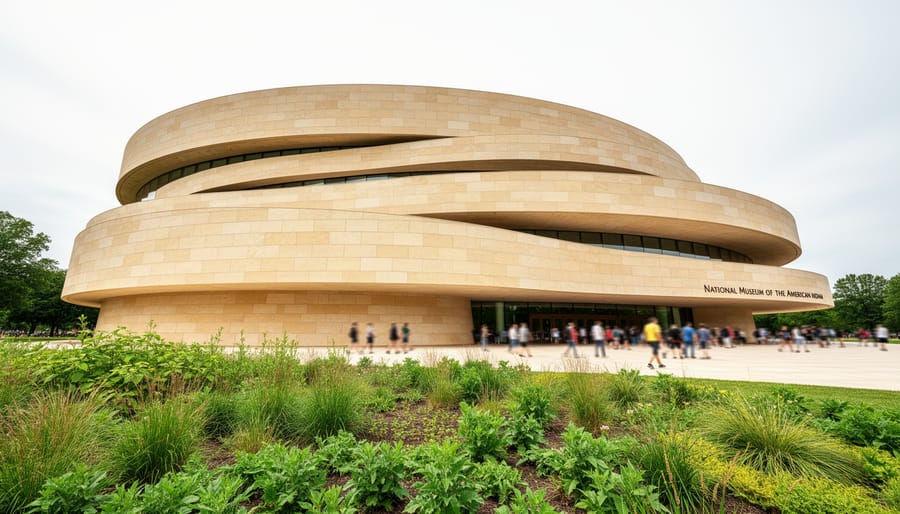
What sets NMAI apart is its architectural significance and collaborative curation approach. The building itself, designed in consultation with Native American communities, features curved limestone walls that evoke natural rock formations shaped by wind and water, while the surrounding landscape includes native plants significant to indigenous cultures. Inside, more than 800,000 objects spanning 12,000 years of history are preserved, though only a fraction appear in rotating exhibitions.
The museum’s exhibitions move beyond static displays of artifacts. They engage visitors with contemporary Native life, challenging stereotypes and highlighting the diversity of indigenous cultures across the Americas. From the ongoing resilience of Native languages to the innovations in traditional arts, NMAI presents indigenous peoples as living, evolving communities rather than frozen in historical narratives.
For visitors planning a trip in 2026, understanding NMAI’s mission and approach transforms a typical museum visit into an opportunity for cultural dialogue and authentic learning about indigenous perspectives that continue shaping the present.
Understanding the National Museum of the American Indian
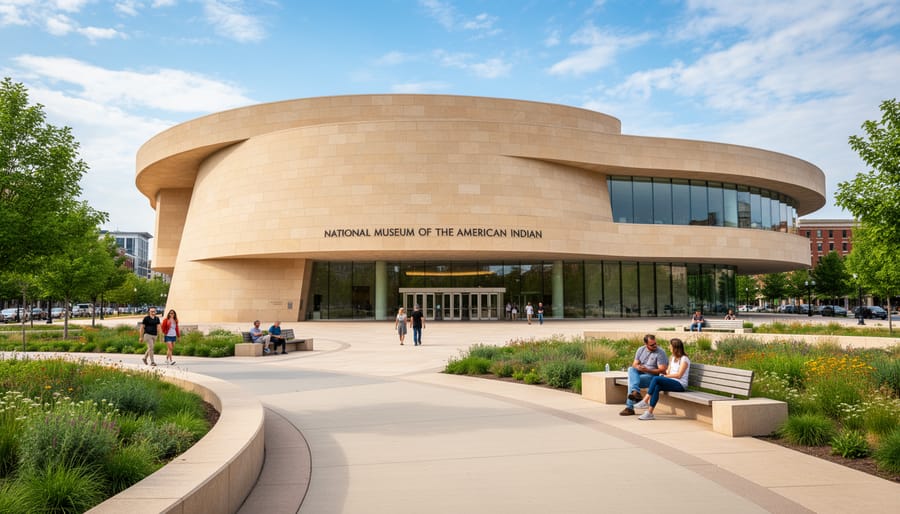
The National Museum of the American Indian opened its National Mall location in Washington D.C. in 2004, though its roots reach back to 1989 when Congress established it as part of the Smithsonian Institution. Unlike museums that historically treated indigenous cultures as subjects to be studied from outside perspectives, NMAI was founded on a revolutionary premise: indigenous peoples would tell their own stories, curate their own exhibits, and control how their cultures are represented. This shift from being observed to being the narrators marks a fundamental transformation in how museums can serve indigenous communities.
The museum maintains three distinct locations, each serving different purposes. The flagship building on the National Mall houses major exhibitions and serves as the public face of the institution. The George Gustav Heye Center in New York’s Alexander Hamilton U.S. Custom House focuses on indigenous cultures of the Americas through a more intimate urban setting. The Cultural Resources Center in Suitland, Maryland functions as the collection care facility and research hub, housing over 825,000 objects and 125,000 photographic images.
What sets NMAI apart is its collaborative framework. Tribal representatives, indigenous scholars, and community members participate directly in decisions about how their cultural materials are displayed, stored, and interpreted. Exhibition development involves extended consultations with the communities whose cultures are featured. This means a Lakota elder might guide how sacred objects are handled, or a Mayan community might shape the narrative about their ancestral heritage. The museum doesn’t just include indigenous voices as consultants; it positions them as authorities and partners in the institution’s fundamental operations.
What You’ll Experience at the Museum
Permanent and Rotating Exhibitions
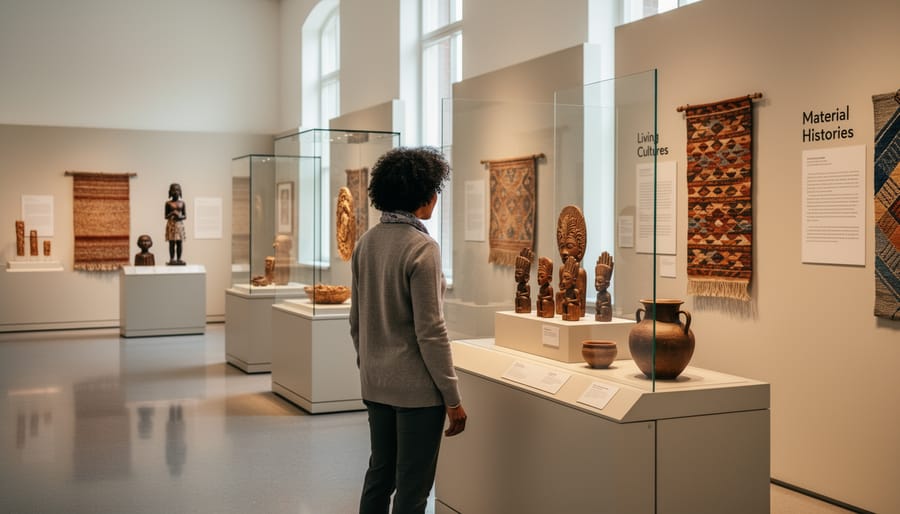
The museum’s permanent exhibitions form the foundation of its indigenous-led storytelling approach, with each gallery designed in collaboration with tribal communities. “Our Universes: Traditional Knowledge Shapes Our World” explores indigenous cosmologies through ceremonies, languages, and philosophies that connect communities to their homelands. You’ll encounter creation stories, spiritual practices, and the systems of knowledge that have sustained indigenous peoples for thousands of years. “Our Peoples: Giving Voice to Our Histories” presents indigenous perspectives on historical events often told solely from colonial viewpoints, addressing survival, resistance, and adaptation with remarkable honesty. “Our Lives: Contemporary Life and Identities” showcases how indigenous communities navigate the modern world while maintaining cultural integrity, you’ll see everything from traditional regalia to indigenous engineering and digital art.
The collection spans materials from Arctic communities to Tierra del Fuego, representing the vast diversity across hemispheres. Expect artifacts ranging from centuries-old pottery and textiles to contemporary political art, each accompanied by indigenous voices explaining cultural context and significance. The museum’s approach means objects are displayed as living cultural items, not relics, many are regularly used in ceremonies and demonstrations.
Rotating exhibitions change several times yearly, spotlighting contemporary indigenous artists, specific cultural themes, or urgent issues facing native communities. Recent exhibitions have explored indigenous fashion designers reclaiming traditional aesthetics, climate change impacts on tribal lands, and language revitalization efforts. These temporary shows keep the museum dynamic and responsive to current indigenous concerns while centering indigenous creativity and innovation. Check the museum’s exhibition schedule before your visit, as these rotating displays often feature rare collaborations with tribal museums and private collections rarely accessible to the public.
Cultural Demonstrations and Programming
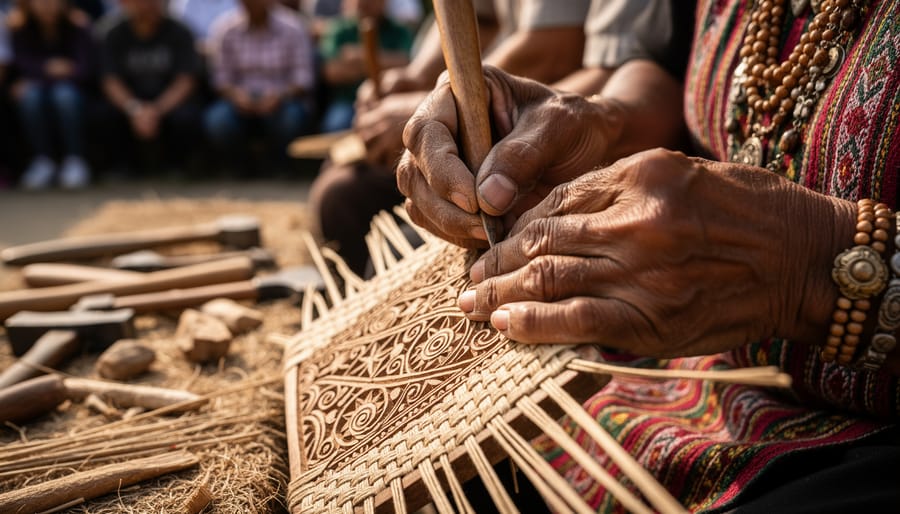
The museum’s cultural programming transforms static exhibits into living encounters with indigenous knowledge, where visitors can witness traditions practiced by the people who carry them forward. Throughout the year, indigenous artists, performers, educators, and knowledge keepers lead demonstrations and events that reflect the vibrant continuity of native cultures today.
Daily programming varies by season but typically includes hands-on craft workshops where artisans demonstrate techniques passed through generations, from beadwork and basket weaving to pottery and textile arts. These sessions go beyond showing how objects are made. Artists explain the cultural significance embedded in patterns, materials, and methods, connecting each piece to stories, ceremonies, and ecological knowledge.
The museum regularly hosts diverse cultural programming that brings indigenous traditions to life:
- Traditional dance performances representing different nations and ceremonial contexts
- Craft demonstrations featuring pottery, weaving, carving, and beadwork techniques
- Storytelling circles led by indigenous knowledge keepers and oral historians
- Seasonal festivals celebrating harvest traditions, solstice observances, and cultural milestones
- Music performances showcasing both traditional instruments and contemporary indigenous musicians
Indigenous-led tours offer another dimension of engagement, where guides from various tribal nations share personal perspectives on exhibits, contextualizing objects within living cultural frameworks rather than as historical artifacts. These tours often reveal connections and meanings that static labels cannot convey, transforming the visit into a dialogue.
The film and media arts center screens documentaries and creative works by indigenous filmmakers, addressing everything from historical experiences to contemporary community life. Artist talks and panel discussions create space for indigenous voices to speak directly about their creative practice, cultural protocols, and the ongoing work of cultural preservation in modern contexts.
The Mitsitam Native Foods Café
The Mitsitam Native Foods Café transforms dining into cultural education, offering dishes that tell stories of indigenous foodways across the Americas. Named “Mitsitam,” which means “let’s eat” in the Native language of the Delaware and Piscataway peoples, the café organizes its menu around five regional indigenous cuisines: Northern Woodlands, South America, Northwest Coast, Meso America, and Great Plains.
You’ll find dishes crafted from indigenous ingredients and traditional preparation methods, from cedar-planked salmon and bison chili to three sisters salad combining corn, beans, and squash. The café sources ingredients from indigenous producers when possible, supporting native food sovereignty and agricultural traditions. Try fry bread, a food born from historical hardship that became a cultural staple, or tamales prepared using pre-Columbian techniques passed through generations.
Each station educates diners about regional food systems, agricultural innovations indigenous peoples developed, and the cultural significance of specific ingredients. The Northern Woodlands section celebrates maple as a sweetener, a tradition that influenced the renowned Quebec maple syrups still produced using indigenous knowledge today. Seasonal menus reflect indigenous harvest cycles and ceremonial foods, making each visit potentially different. The café demonstrates that indigenous cuisine is sophisticated, diverse, and evolving, not frozen in the past but alive and innovative, rooted in deep knowledge of local ecosystems and sustainable food practices.
How the Museum Honors Indigenous Voices
The museum’s approach to honoring indigenous voices represents a fundamental departure from centuries of museums treating indigenous peoples as subjects of study rather than authorities on their own cultures. At NMAI, every exhibition, program, and operational decision involves consultation with indigenous communities, ensuring that tribal nations determine how their stories are told.
This collaborative curatorial model means that indigenous community members serve as co-curators, cultural advisors, and interpreters of their own heritage. When planning exhibitions, museum staff travel to indigenous communities, hold extended consultations, and incorporate feedback at every stage. The voices you encounter in exhibition text panels are often direct quotes from tribal elders, artists, and knowledge keepers, not filtered through an institutional lens.
The museum’s efforts to identify and repatriate sacred objects and human remains to their rightful indigenous nations stand among its most significant work. Since the passage of federal repatriation legislation, NMAI has actively worked with tribes to return ceremonial items, burial goods, and ancestral remains that never should have been collected in the first place. This process acknowledges past wrongs while restoring cultural patrimony to communities.
Traditional museums historically positioned indigenous cultures as frozen in the past, displayed alongside natural history specimens and dinosaur bones. NMAI counters this narrative by presenting indigenous peoples as vibrant, contemporary communities with living cultures that evolve while maintaining deep connections to ancestral knowledge. The museum refuses the “vanishing Indian” mythology that pervaded earlier institutions.
Indigenous staff members hold leadership positions throughout the organization, from curatorial departments to education programs to facilities management. This isn’t tokenism but a structural commitment to indigenous self-determination within the institution itself. When indigenous people control the narrative about their own cultures, the entire character of museum work changes.
This collaborative approach extends to collections care, where indigenous protocols around handling sacred objects supersede standard museum conservation practices. Some items require specific ceremonial preparations before display. Others may be deemed too sacred for public viewing. The museum respects these determinations because indigenous communities understand their own cultural materials better than any outside expert could.
Planning Your Visit: What to Know
The National Museum of the American Indian welcomes visitors year-round with free admission, making it accessible to everyone interested in experiencing indigenous cultures. The museum occupies a prominent location on the National Mall at Fourth Street and Independence Avenue SW, within walking distance of the U.S. Capitol and other Smithsonian museums.
Plan to spend at least two to three hours exploring the exhibitions, though a half-day visit allows time to attend cultural demonstrations, enjoy the Mitsitam Café, and fully engage with the programming. The museum opens daily at 10 a.m., with extended hours during summer months.
Before you visit, consider these essential details:
- Admission is free, but timed-entry passes may be required during peak tourist seasons
- The museum is fully wheelchair accessible with elevators, ramps, and accessible restrooms throughout
- Photography is permitted in most exhibition spaces, but some sacred objects and temporary exhibitions prohibit photography, always check posted signs
- Audio tours and assisted listening devices are available at the information desk
- Respect cultural protocols: some exhibitions request quiet reflection, and touching artifacts is prohibited unless specifically invited
Approaching indigenous cultural spaces requires mindfulness that differs from typical museum visits. The objects and stories here aren’t historical artifacts separated from living communities, they represent ongoing cultures with deep spiritual and communal significance. Read exhibition text carefully, as many displays explain the cultural context and proper ways to engage with what you’re seeing.
If you attend cultural demonstrations or storytelling sessions, arrive on time and stay for the full presentation when possible. Indigenous knowledge-keepers share their time and expertise generously; attentive, respectful listening honors that gift. Avoid treating cultural practitioners as photo opportunities, and always ask permission before photographing people.
The museum provides family guides and activity backpacks for younger visitors, designed to engage children while teaching respect for indigenous cultures. Staff members are knowledgeable and happy to answer questions, enhancing your understanding of the exhibitions and indigenous perspectives they represent.
The Broader Network of Indigenous Museums
The National Museum of the American Indian represents one star in a constellation of indigenous-led cultural institutions reshaping how native histories and living cultures are presented to the world. Across North America and beyond, indigenous communities have established museums, cultural centers, and heritage sites that reject external interpretation in favor of self-determination in storytelling.
In Quebec, The Native Museum of Mashteuiatsh exemplifies this movement at a regional scale. Operated by the Pekuakamiulnuatsh First Nation, this institution centers Innu perspectives, language, and cultural practices in every exhibition and program. Like NMAI, it positions indigenous people not as subjects of anthropological study but as authors of their own narratives. The museum preserves traditional knowledge while addressing contemporary indigenous realities, from art and ceremony to land rights and environmental stewardship.
Similar institutions have emerged across indigenous territories worldwide. The Māori-led Te Papa Tongarewa in New Zealand integrates indigenous guardianship principles into museum practice. Canada’s Canadian Museum of History has partnered with First Nations to reimagine its indigenous galleries under collaborative frameworks. Countless tribal museums operate on reservations and traditional territories, each preserving specific cultural knowledge that larger institutions cannot adequately represent.
This network reflects a fundamental shift: indigenous communities reclaiming authority over how their cultures are preserved, interpreted, and shared. These institutions collaborate, share best practices for repatriation and cultural protocols, and support each other’s efforts to educate both indigenous youth and broader publics. Together, they challenge centuries of extractive museum practices where indigenous objects and stories were taken, studied, and displayed without consent or context.
NMAI’s role extends beyond its own collections. As a Smithsonian institution with significant resources and visibility, it elevates indigenous museum practices, demonstrates their validity to mainstream cultural institutions, and creates pathways for smaller indigenous museums to gain recognition and support.
The National Museum of the American Indian stands as more than a collection of artifacts behind glass. It represents a fundamental shift in how indigenous stories are told and who controls that narrative. By centering indigenous voices in every aspect of its operation, from curation to programming to the food served in its café, NMAI demonstrates that authentic cultural representation requires indigenous leadership.
Visiting this museum offers something conventional institutions cannot: direct connection to living cultures shaped by both ancestral wisdom and contemporary realities. Each exhibition, demonstration, and conversation challenges stereotypes while celebrating the creativity, resilience, and ongoing contributions of indigenous peoples across the Americas.
The museum’s approach has inspired similar institutions worldwide, creating a network of spaces where indigenous communities preserve and share their heritage on their own terms. Whether you visit NMAI in Washington, explore regional indigenous museums like The Native Museum of Mashteuiatsh in Quebec, or engage with indigenous cultural programming in your own area, you participate in something vital.
These institutions need our support, attention, and respect. They represent not just preservation of the past, but active celebration of indigenous futures being written now.
Common Questions About Visiting the National Museum of the American Indian
Is admission to the National Museum of the American Indian free?
Yes, like all Smithsonian museums, NMAI offers free admission year-round. No tickets or advance reservations are required for general entry, though special events may have separate requirements.
How much time should I plan for my visit?
Most visitors spend two to three hours exploring the museum’s exhibitions and programs. If you plan to attend cultural demonstrations, dine at the Mitsitam Café, or participate in guided tours, allow a half day for a fuller experience.
Can I take photographs inside the museum?
Personal photography without flash is generally permitted in exhibition spaces, but certain objects or areas may have restrictions out of respect for cultural protocols. Always check posted signage and ask staff if you’re unsure, as some items hold sacred significance to indigenous communities.
What makes NMAI different from other Smithsonian museums?
NMAI is distinguished by its indigenous-led curatorial approach, where tribal nations and indigenous communities direct how their cultures are represented. The museum prioritizes indigenous voices and perspectives rather than external interpretation, making it fundamentally collaborative rather than observational.
Beyond these basics, visitors often wonder about the best time to visit. Weekday mornings typically offer quieter galleries, while weekends bring more cultural programming and demonstrations. The museum offers robust educational programs for school groups and families, including hands-on activities and age-appropriate tours that can be arranged through the education department.
The Chesapeake Museum Store features authentic indigenous-made crafts, jewelry, books, and art directly sourced from native artists and cooperatives. Purchases support indigenous artisans and communities, making the shop an extension of the museum’s mission rather than a standard gift shop. Staff can provide information about the artists and cultural significance of items.
First-time visitors sometimes ask about cultural etiquette. Approach the museum with openness and respect, recognizing that you’re engaging with living cultures, not historical artifacts. Listen to indigenous guides and demonstrators, ask thoughtful questions, and remember that some cultural knowledge may be shared selectively. The museum welcomes genuine curiosity paired with cultural humility.