
 vanessa
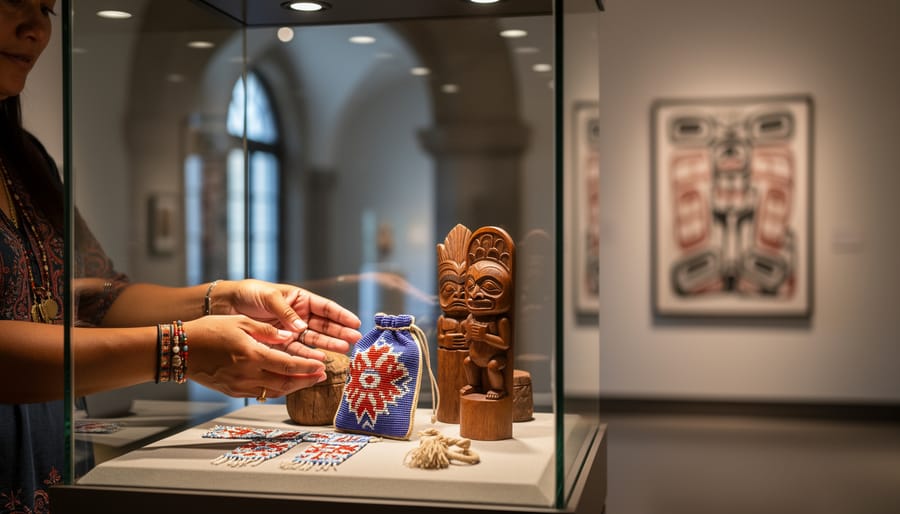
Quebec City’s museums offer visitors an unparalleled gateway into the living histories and contemporary cultures of the First Peoples who have shaped this region for millennia. Beyond the cobblestone streets and European architecture that often dominate tourist itineraries, the city’s cultural institutions provide essential spaces where indigenous voices, artistic traditions, and historical narratives take center stage.
The museum landscape here reflects a broader shift in how indigenous stories are told and preserved. Increasingly, these institutions operate under indigenous leadership or in close partnership with First Nations communities, ensuring that exhibits, educational programs, and cultural presentations emerge from authentic perspectives rather than colonial interpretations. This transformation matters. When you step into exhibitions curated by indigenous knowledge keepers, artists, and historians, you encounter worldviews that have been systematically marginalized yet remain vital to understanding Quebec’s past, present, and future.
Quebec City serves as an intersection where eleven distinct First Nations maintain cultural and political presence across the province. The museums here honor that diversity, showcasing everything from ancient artifacts and traditional craftsmanship to contemporary indigenous art that challenges assumptions and provokes dialogue. Visitors gain access to creation stories, examine the lasting impacts of colonization, and witness the resilience embedded in artistic expression and cultural practice.
Whether you’re an educator designing curriculum, a traveler seeking meaningful cultural experiences, or someone committed to understanding the true breadth of Quebec’s heritage, these museums provide more than displays behind glass. They offer pathways to relationship-building, spaces for reflection, and opportunities to support indigenous cultural sovereignty. The experience requires openness, respect, and a willingness to listen to histories that textbooks often overlook.
The Huron-Wendat Museum: A Nation’s Living Memory
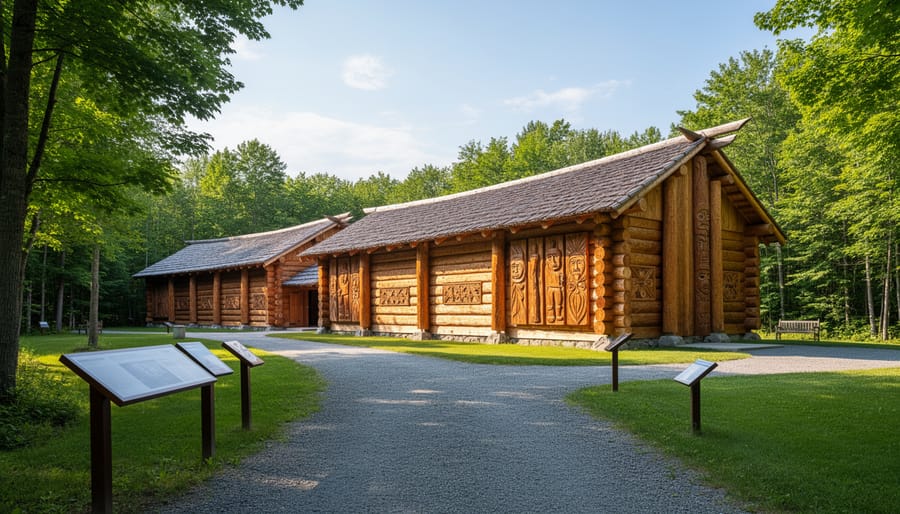
The Huron-Wendat Museum stands in Wendake, a living First Nations community just minutes from downtown Quebec City, where the Wendat Nation has maintained its presence for over 350 years. Unlike conventional museums where indigenous stories are often told by outsiders, this institution is designed, curated, and operated by Wendat community members themselves. The museum’s physical form reflects this indigenous-centered approach: its architecture incorporates elements of traditional longhouse design, with curved walls and natural materials that echo the dwellings where Wendat families gathered for generations.
The exhibits showcase over 350 artifacts that trace Wendat history from pre-contact times through colonization and into the present day. Wampum belts, traditional clothing adorned with intricate quillwork, birchbark canoes, and sacred objects tell stories that have been passed down through oral tradition for centuries. These aren’t static displays behind glass; community members regularly use the museum for ceremonies, cultural education, and gatherings that connect younger generations to their ancestors’ teachings. You’ll see how the Wendat adapted and persisted through displacement, disease, and attempts at cultural erasure while maintaining their distinct identity and spiritual practices.
What sets this museum apart is how it serves the Wendat community first, visitors second. The exhibits reflect the community’s mission to preserve Wendat heritage on their own terms, not to satisfy external expectations of what indigenous culture should look like. You’ll find contemporary Wendat artists’ work alongside historical pieces, demonstrating that Wendat culture isn’t frozen in the past but continues to evolve. The museum offers workshops where artisans teach traditional crafts like snowshoe making and beadwork, skills that remain vital to daily life in Wendake.
Guided tours led by Wendat storytellers provide context that artifacts alone cannot convey. They explain the significance of clan systems, the role of women in governance, and how Wendat ecological knowledge shaped their relationship with the land. The museum sits within walking distance of the Notre-Dame-de-Lorette Church and traditional smoke houses where you can taste authentic Wendat cuisine, creating an immersive experience that extends beyond the museum walls into the living community itself.
Musée de la Civilisation: Bridging Indigenous and Contemporary Narratives
Indigenous Exhibitions and Cultural Programming
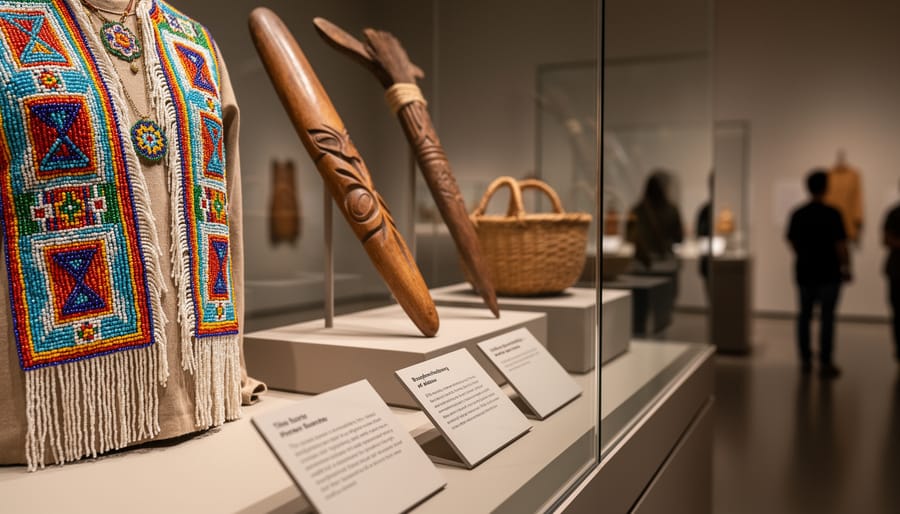
The Musée de la Civilisation dedicates significant gallery space to indigenous perspectives through thoughtfully curated permanent and rotating exhibitions. “This Is Our Story / C’est notre histoire,” developed after curators worked in closed collaboration with eleven First Nations communities, presents contemporary indigenous life through the voices of community members themselves. Rather than positioning indigenous cultures as historical artifacts, the exhibition showcases present-day realities, challenges, and celebrations as told by First Peoples.
The museum regularly hosts indigenous artists-in-residence who create work within the gallery spaces, allowing visitors to witness creative processes and engage in conversations about cultural expression and continuity. These residencies have featured Innu birch bark artists, Cree beaders, and Atikamekw basket weavers, each bringing traditional knowledge into contemporary contexts.
Cultural programming extends beyond static displays through storytelling sessions led by indigenous knowledge keepers, film screenings highlighting First Nations filmmakers, and workshops teaching traditional skills under the guidance of community practitioners. The museum creates dedicated space for sacred ceremonies and cultural gatherings, acknowledging that some knowledge sharing happens best through participation rather than observation.
Temporary exhibitions often explore specific themes like contemporary indigenous art movements, language revitalization efforts, or land-based knowledge systems. These installations connect Quebec City’s museum experiences with broader First Peoples locations throughout the region, creating pathways for deeper cultural understanding. The museum’s approach recognizes that indigenous stories belong to the communities who carry them, positioning the institution as a platform rather than an authority.
Beyond the Walls: Indigenous-Led Cultural Experiences
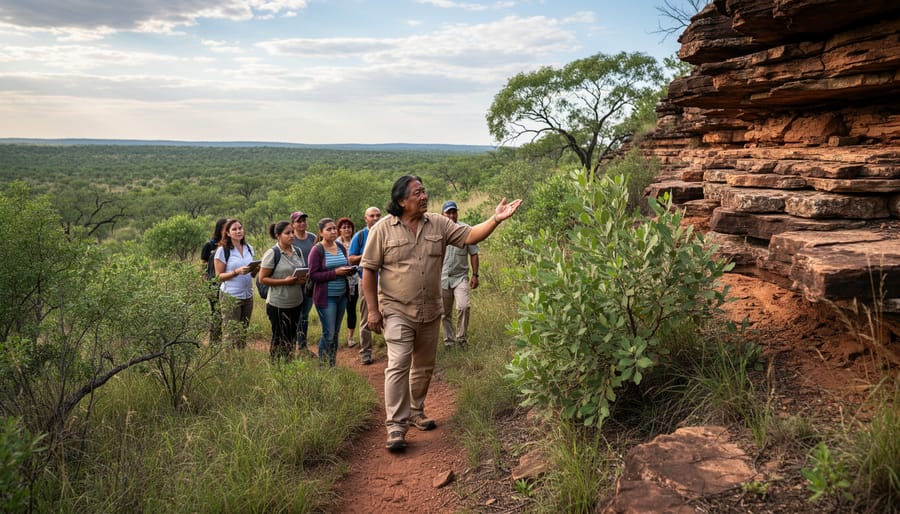
The most powerful cultural education happens not behind glass cases, but in direct conversation with those who carry living knowledge. Quebec City’s indigenous-led experiences invite visitors to step beyond museum walls and into spaces where cultural transmission occurs as it has for generations, through storytelling, shared activity, and personal connection.
Indigenous knowledge keepers and community members offer guided walks through historic neighborhoods revealing layers of First Peoples’ presence that standard tourist routes overlook. These tours don’t just recount history; they share perspectives on how indigenous communities have maintained their connection to these lands despite centuries of displacement and erasure. Walking alongside someone whose ancestors knew these places intimately transforms cobblestone streets into storied landscapes.
Cultural experiences led by First Peoples create opportunities for authentic learning that respects traditional protocols while welcoming sincere engagement:
- Traditional craft workshops where artisans share techniques passed down through generations, from beadwork to birchbark artistry
- Storytelling circles led by Elders who contextualize oral histories within contemporary indigenous life
- Seasonal medicine walks identifying traditional plants and their uses in healing and ceremony
- Canoe experiences combining water navigation skills with teachings about relationship to waterways
- Traditional food preparation sessions exploring indigenous culinary knowledge and the cultural significance of traditional foods
- Drum-making and music workshops introducing the spiritual and community roles of indigenous musical traditions
These experiences operate on indigenous time, prioritizing depth over efficiency. A two-hour workshop might spend the first hour building context and relationship before hands touch materials. This pacing honors the understanding that cultural knowledge cannot be extracted quickly or commodified without losing its essence.
Many indigenous-led experiences operate seasonally, tied to natural cycles that have structured First Peoples’ lives for millennia. Spring maple harvests, summer gatherings, autumn medicine collection, and winter storytelling seasons each offer different learning opportunities. This seasonal rhythm itself teaches an important lesson: indigenous cultures are living, evolving systems deeply connected to the land, not artifacts frozen in an imagined past.
Virtual Exhibitions and Digital Access to Indigenous Heritage
The digital realm has opened pathways for indigenous knowledge sharing that honor both accessibility and cultural sovereignty. Museums across Quebec City now extend their reach through thoughtfully curated virtual platforms, allowing global audiences to encounter indigenous stories while maintaining community control over what is shared and how.
The Musée de la Civilisation offers virtual tours that go beyond simple photography. Their digital exhibitions incorporate recorded oral histories, allowing knowledge keepers to speak directly to visitors through video narratives. These aren’t static displays translated for screens but carefully constructed experiences where indigenous voices guide the storytelling. The museum’s online collections include contextual information provided by community consultants, ensuring descriptions reflect indigenous perspectives rather than external academic interpretation.
The Huron-Wendat Museum has developed digital archives that serve dual purposes: preserving cultural materials for future generations while sharing appropriate content with wider audiences. Their approach recognizes that not all knowledge belongs in public view. Sacred ceremonies, restricted teachings, and certain cultural practices remain protected, with digital platforms showcasing what communities have chosen to share. This selective curation demonstrates respect for indigenous protocols around knowledge transmission.
Interactive digital storytelling initiatives allow users to explore indigenous worldviews through multimedia formats. The Musée national des beaux-arts du Québec features virtual exhibitions of contemporary indigenous art with artist interviews and creation stories embedded throughout. These platforms enable artists to contextualize their work within cultural traditions and contemporary lived experiences.
Virtual access has proven particularly valuable for educators and researchers unable to visit in person, though it cannot replace the embodied experience of standing within indigenous cultural spaces. What digital platforms achieve is extending conversations begun in physical museums, creating ongoing opportunities for learning that respect indigenous authority over their own narratives while making cultural knowledge available to those genuinely seeking understanding.
Seasonal Cultural Events and Indigenous Celebrations
Indigenous cultural celebrations in Quebec City follow the rhythm of the seasons, offering visitors meaningful opportunities to experience living traditions beyond museum walls. The Huron-Wendat Nation hosts their National Day each September at Wendake, featuring traditional dance performances, storytelling circles, and demonstrations of ancestral crafts that have been passed down through generations. Winter brings the Traditional Powwow season, where indigenous communities gather to honor their heritage through drumming, song, and regalia that tell family and clan stories.
Spring maple season holds particular significance in First Nations traditions, with the Huron-Wendat Museum organizing sugar shack experiences that reveal the indigenous origins of maple harvesting. These events connect to broader Quebec City maple traditions while emphasizing the Wendat knowledge that made this practice possible. The Musée de la Civilisation regularly hosts indigenous artists-in-residence during summer months, creating opportunities to witness contemporary indigenous art-making and engage directly with creators.
Traditional solstice celebrations mark important moments in the indigenous calendar, with June 21 recognized as National Indigenous Peoples Day across Canada. Museums and cultural centers coordinate programming that includes traditional foods, language workshops, and educational sessions led by Elders. The autumn harvest season brings thanksgiving ceremonies and traditional craft workshops where community members share skills like birchbark work, beading, and natural dyeing techniques.
These gatherings aren’t performances staged for tourists, they’re living cultural practices where communities come together to maintain traditions, teach younger generations, and welcome respectful visitors into shared experiences. Check museum calendars and the Huron-Wendat Tourism website for current event schedules, as many celebrations align with natural cycles rather than fixed dates.
Planning Your Visit: Cultural Respect and Meaningful Engagement
Approaching indigenous cultural spaces requires preparation beyond checking museum hours. Before entering, take time to learn about the nation whose territory you’re visiting. Understanding even basic elements of Wendat or Innu history transforms your experience from passive observation into genuine cultural exchange.
Photography deserves careful consideration. Many sacred objects, ceremonial items, and specific cultural knowledge should not be photographed. Always check museum policies before raising your camera, and never photograph individuals without explicit permission. Some spaces prohibit photography entirely during ceremonies or cultural demonstrations. Respecting these boundaries honors the trust indigenous communities extend by sharing their stories.
Listen more than you speak. When knowledge keepers or community members share their experiences, give them your full attention. Avoid interrupting with comparisons to other cultures or personal stories that shift focus away from indigenous voices. Questions are welcome when asked with genuine curiosity rather than challenge, but some knowledge may be restricted to community members. If an elder indicates certain information is not for sharing, accept that boundary gracefully.
Your choices as a visitor carry impact. Purchase crafts and gifts directly from indigenous artists whenever possible, ensuring they receive fair compensation for their work. Museums often feature gift shops with authentic indigenous-made items, but verify that purchases truly support local makers rather than mass-produced imitations. When booking tours or experiences, prioritize those led by indigenous guides and operated by First Nations communities.
Meaningful engagement with Indigenous heritage continues after your visit. Share what you’ve learned with accuracy and respect, credit the specific nations and communities you encountered, and consider how indigenous perspectives might shift your understanding of history and place. True cultural exchange plants seeds that grow long after you leave the museum doors.
Visiting museums and cultural spaces in Quebec City offers more than a glimpse into history. It’s an invitation to witness living cultures, carried forward by communities who have stewarded these lands for thousands of years. The indigenous-led institutions and experiences throughout the city aren’t static displays of the past. They’re dynamic spaces where stories continue to unfold, where knowledge keepers share teachings, and where visitors can encounter perspectives that challenge and enrich their understanding.
These museums and cultural experiences represent acts of resilience and reclamation. When you walk through exhibitions curated by First Nations communities, attend events led by indigenous artists, or listen to guides sharing their own people’s narratives, you’re participating in something vital. You’re supporting indigenous self-representation and the right of communities to tell their own stories on their own terms.
The relationships you build through these encounters matter. Approach each experience with openness and humility. Ask questions respectfully. Listen more than you speak. Recognize that what you’re being offered is a gift, shared generously despite centuries of misrepresentation and erasure.
Quebec City’s indigenous cultural landscape invites you to step beyond tourism into genuine connection. The stories you hear here have the power to shift perspectives, deepen empathy, and inspire action. Carry what you learn forward, and let these experiences inform how you engage with indigenous communities wherever you are.